Guide to garden clearance services for overgrown backyards
If your backyard has gone from "a bit untidy" to full-on jungle, you are not alone. Life gets busy, weather does its thing, and suddenly the brambles have taken a personal interest in the fence. This Guide to garden clearance services for overgrown backyards is here to make the whole process feel less overwhelming and a lot more manageable. We will walk through what garden clearance actually involves, how the service works, what it tends to include, where the hidden headaches are, and how to choose a provider with confidence.
Truth be told, an overgrown garden is more than a cosmetic issue. It can block access, hide waste, attract pests, and make the space awkward or even unsafe to use. The good news? A proper clearance service can turn a neglected patch into a usable garden again without you having to wrestle thorny waste bags for half a weekend. Let's get into it.
Table of Contents
- Why garden clearance matters
- How garden clearance works
- Key benefits and practical advantages
- Who this is for and when it makes sense
- Step-by-step guidance
- Expert tips for better results
- Common mistakes to avoid
- Tools, resources and recommendations
- Law, compliance, standards, or best practice
- Options, methods, or comparison table
- Case study or real-world example
- Practical checklist
- Conclusion
- Frequently asked questions
Why garden clearance matters
An overgrown backyard can quietly become a bigger problem than it looks. The obvious issue is appearance, of course, but there is usually more going on beneath the weeds. Long grass, tangled shrubbery, fallen branches, and accumulated green waste can restrict movement, make boundaries harder to see, and hide rubbish or broken items that need removing.
For many people, the main reason to book garden clearance services is simple: they want the space back. Maybe the children cannot play safely, maybe you cannot get to a shed door, or maybe the back garden has become one of those places you avoid looking at. We have all seen gardens like that after a long wet spell. They can shift from manageable to wild surprisingly fast.
There is also a practical side. If you are planning to sell, rent out, renovate, or simply enjoy the garden again, clearing it first makes everything else easier. Landscaping, fencing repairs, jet washing patios, installing raised beds, or just mowing the lawn all become much easier once the heavy overgrowth is dealt with.
Expert summary: garden clearance is not just about tidying. It restores access, reduces risk, and gives you a clean starting point for whatever comes next. That is the real value.
In some cases, a clearance visit also uncovers issues you could not see before: rotten timber, unstable edging, hidden drain covers, or even old waste that should never have been left in the garden in the first place. Better to know now than after somebody twists an ankle.
How garden clearance works
A professional garden clearance service usually starts with an assessment of the space. The provider looks at the level of overgrowth, the amount of green waste, access points, and any awkward features such as steep steps, narrow side passages, or damaged fencing. If the garden is especially dense, they may ask for photos first. Fair enough too. It helps everyone understand the job before anyone turns up with the wrong kit.
Most clearances then follow a fairly simple pattern:
- Initial review: The team checks what needs removing and whether any special handling is required.
- Sectional clearance: Work begins in zones, usually starting with access routes and obvious hazards.
- Cutting back overgrowth: Brambles, ivy, long grass, self-seeded saplings, and thick weeds are cut back or removed.
- Waste collection: Green waste is bagged, loaded, and separated from recyclable or general rubbish where needed.
- Final tidy: The area is left neat, with paths and surfaces made safe and visible again.
Depending on the condition of the backyard, the service may also include clearing old pots, broken furniture, dead plants, loose timber, or rubbish that has built up over time. Some jobs are almost entirely green waste. Others are more like a small-scale site clearance with a garden attached.
In practical terms, the best teams work methodically rather than just hacking away at the obvious bits. That matters because overgrown gardens often contain hidden hazards: glass, rusted metal, animal nests, stagnant water, or unstable piles of debris. Slow and steady wins here. Not glamorous, but it gets the job done properly.
Key benefits and practical advantages
People often think the only benefit is a cleaner-looking garden. That is a bit like saying the only benefit of fixing a roof is that you stay dry. True, but underselling it.
- Better access: Paths, gates, sheds, bins, and service areas become usable again.
- Improved safety: Less chance of trips, cuts, hidden hazards, or slippery ground.
- More usable space: You can finally see what the garden could become.
- Reduced stress: A neglected garden can feel mentally draining. Clearing it can be a real relief.
- Easier maintenance: Once the heavy growth is gone, routine gardening becomes much simpler.
- Better project planning: You can accurately judge what needs to be repaired, replanted, or redesigned.
There is also a sustainability angle. Responsible providers will separate recyclable materials where possible and dispose of garden waste appropriately. If that matters to you, it should matter to them too. You can see how a business approaches this on their recycling and sustainability page, which is a good sign of whether waste is being handled thoughtfully rather than just tipped into the nearest bin bag and hoped for the best.
One often-missed advantage is that professional clearance can reveal the true size and shape of your outdoor space. That sounds small, but it changes everything. People are often surprised by how much bigger the garden feels after one proper clearance. A narrow corner becomes a seating area. A hidden wall appears. Suddenly, there is possibility again.
Who this is for and when it makes sense
Garden clearance services are useful for a wide range of homeowners and property managers, not just people facing an extreme jungle scenario. In fact, a lot of jobs sit somewhere in the middle: a garden that has been left through winter, a rental property that needs making presentable, or a backyard that got away from someone after illness, travel, or family pressures.
This kind of service tends to make sense if:
- the grass is too long to mow safely
- brambles, ivy, or weeds have spread across borders or walls
- you cannot easily reach sheds, fences, or waste storage areas
- you are preparing to sell or let the property
- you need the area clear before landscaping or repairs
- there is a lot of green waste and you do not have the time, vehicle, or stamina to remove it yourself
It is also a sensible choice if the garden has become physically difficult to work in. For example, if the access is awkward, the ground is uneven, or there are thorny plants everywhere, the job can become slow and tiring very quickly. To be fair, what looks like a "quick tidy" on a sunny Saturday morning can become a full-day battle with scratches, sweat, and bins that fill up far too fast.
If you are not sure whether you need professional help, ask yourself one question: can you realistically finish the job safely and still have energy left for the aftermath? If the answer is no, a clearance service probably makes sense.
Step-by-step guidance
Here is a practical way to approach overgrown backyard clearance without overcomplicating it.
1. Walk the garden first
Before any cutting starts, do a slow walk-through and look for hidden obstacles. Old plant pots, toys, broken glass, loose wire, and rotting timber can all hide beneath growth. If you cannot see the ground, go carefully. Simple, but it saves problems.
2. Decide what should stay
Some gardens contain plants worth keeping, even when everything else has run wild. Mature shrubs, climbers, or established borders may be salvageable. If in doubt, mark what you want to protect before clearance begins. A little prep here can prevent regret later.
3. Clear access routes first
Most teams will open up a path from the house to the main working area, then move toward boundaries, corners, and denser sections. That is the sensible order because it improves safety and gives the team somewhere to place waste as they go.
4. Tackle overgrowth in stages
Heavy growth is usually cut down before finer tidying starts. Thick bramble patches, nettles, and self-seeded trees often need more than a basic mower. Once the bulk is removed, the rest of the job becomes clearer and less tiring.
5. Separate waste properly
Good clearance work is not just about removal; it is about handling waste sensibly. Green waste, wood, soil, and general rubbish may need different routes. If you want a provider that takes this seriously, ask how they deal with collection and disposal before the job starts.
6. Finish with a sensible tidy-up
The last stage should leave you with a garden that is not only clearer, but easier to maintain. That might mean a rough cut, a bagged waste pile removed, edges revealed, and surfaces swept down enough for you to see what comes next. You do not always need perfection on day one. Sometimes "usable again" is the winning outcome.
One small but useful tip: if you are planning follow-up work, ask for the clearance to stop at a point where future landscaping is easier. For example, if you want turf, paving, or planting later, it can help to clear with that end goal in mind rather than just stripping everything out in one go.
Expert tips for better results
A few smart choices can make a big difference to the result, especially if the backyard is heavily overgrown.
- Take photos before the work starts. This helps with quoting, planning, and comparing progress later.
- Be honest about access. If the only route is through a narrow side passage or across soft ground, say so early.
- Separate "must keep" from "can remove". Marking items with tape or flags saves confusion.
- Ask about waste handling. A serious provider should be able to explain how waste is loaded, sorted, and disposed of.
- Plan for aftercare. If you do not want the garden to slide straight back into chaos, arrange a simple follow-up routine.
- Think about drainage and standing water. Overgrown spaces often hide damp patches, and that can affect what happens next.
Another good habit is to ask for a clear scope of work. Does the service include only vegetation removal, or will it also take away garden furniture, rubble, or old household waste? That detail matters. A lot. It is one of those things people only ask about after the van has left, which is never ideal.
And if a provider gives you a clear explanation rather than a vague "we'll sort it," that is usually a good sign. You want confidence, not mystery.
Common mistakes to avoid
Overgrown backyards can be messy in more ways than one, and a few common mistakes show up again and again.
- Starting without checking for hazards: Hidden glass, wiring, and sharp metal are more common than people think.
- Using the wrong tools: A small strimmer is not much help against thick bramble or woody stems.
- Underestimating the waste volume: What looks like "a bit of green waste" can fill several loads.
- Removing plants you meant to keep: Happens more often than anyone likes to admit.
- Ignoring access and loading issues: If waste cannot easily get out, the job slows right down.
- Trying to do everything in one go: Fatigue leads to sloppy cuts, sore hands, and mistakes.
A sneaky one is forgetting the weather. Wet ground can make clearance harder, heavier, and messier. A garden that seems manageable on a dry morning can turn into a slippery slog by late afternoon. British gardens do enjoy testing our patience, don't they?
The bigger point is this: a good clearance should reduce stress, not create a weekend you need to recover from. If the job feels too large, split it or get support. There is no prize for suffering through it.
Tools, resources and recommendations
You do not need a shed full of specialist equipment to understand or manage a garden clearance job, but knowing the typical tools helps you judge the work properly.
| Tool or resource | What it is used for | Why it matters |
|---|---|---|
| Heavy-duty cutting tools | Cutting back thick stems, shrubs, and woody overgrowth | Needed for dense growth that a standard mower cannot handle |
| Strimmer or brush cutter | Reducing long grass and lighter weeds | Useful for opening up the space quickly |
| Protective gloves and eyewear | Protecting hands and eyes from thorns, debris, and dust | Basic safety, especially in bramble-heavy gardens |
| Waste bags, bins, and loading equipment | Collecting and moving cuttings and debris | Helps keep the site tidy and manageable |
| Vehicle for waste removal | Transporting cleared material away | Without this, the garden may be clean but the pile still sits there |
| Photo-based quoting | Helping estimate job size before a visit | Saves time and reduces surprises |
If you are comparing providers, the useful questions are not always about tools alone. Ask how they handle pricing, payment, and job confirmation. A clear pricing and quotes page is often a good indicator that the business is trying to be straightforward rather than slippery. Likewise, a sensible payment and security policy can give you peace of mind before you book.
You may also want to check the provider's broader approach and working style on their about us page. It can tell you a lot about whether they sound organised, practical, and customer-focused, or just vaguely thrown together. You can usually tell within a minute or two, honestly.
Law, compliance, standards, or best practice
For garden clearance, the main compliance concerns usually relate to waste handling, safety, and the duty of care around disposal. The details can vary depending on the exact job, but in plain English, responsible work means waste should not be dumped, mishandled, or left in a way that creates nuisance or hazard.
From a customer's point of view, the most useful best-practice checks are fairly simple:
- the provider should explain what will be removed
- they should be clear about any exclusions or extra costs
- they should work safely around sharp, heavy, or unstable materials
- they should be able to describe how waste will be managed
- they should have appropriate insurance for the work they carry out
It is also sensible to look for a business that publishes its safety and trust information openly. Policies such as health and safety and insurance and safety show that the company has at least thought through the practical risks. That sounds basic, but it matters. A lot. Especially where sharp tools, slippery ground, and heavy waste are involved.
For waste, sustainability also matters. Green waste should ideally be separated and handled responsibly where possible. If a provider references their recycling and sustainability approach, that is a reassuring sign that they are thinking beyond the job itself. Not every garden clearance is complicated, but every one should be responsible.
If you have questions about how a provider handles data, bookings, or site photographs, their privacy policy is worth a look. And if you ever need to raise a concern, a clear complaints procedure and accessible information matter more than people often realise.
Options, methods, or comparison table
There are a few ways to tackle an overgrown backyard, and the best choice depends on the scale of the mess, your budget, and how quickly you want the result.
| Option | Best for | Pros | Cons |
|---|---|---|---|
| DIY clearance | Small to moderate overgrowth | Lower upfront cost, full control | Time-consuming, physically demanding, waste disposal can be awkward |
| Partial DIY + professional waste removal | People with time to cut back but not remove waste | Can reduce cost while easing the hardest part | Still requires effort and safe handling |
| Full professional clearance | Heavily overgrown or access-challenged gardens | Fast, efficient, less stress, waste removal included | Higher cost than doing it yourself |
For many households, a full service is the most practical route once the garden has reached a certain point. If the space is thick with growth, the time saved alone can justify it. On the other hand, if you only need a small area opened up, a lighter clearance may be enough. There is no one-size-fits-all answer, despite what some sales pages would like you to believe.
Another thing worth comparing is the level of detail in the service. Some providers focus on basic cut-and-clear work. Others can help with waste sorting, follow-up tidying, and practical advice about the next stage. If you are planning a garden makeover, that added guidance can be useful.
Case study or real-world example
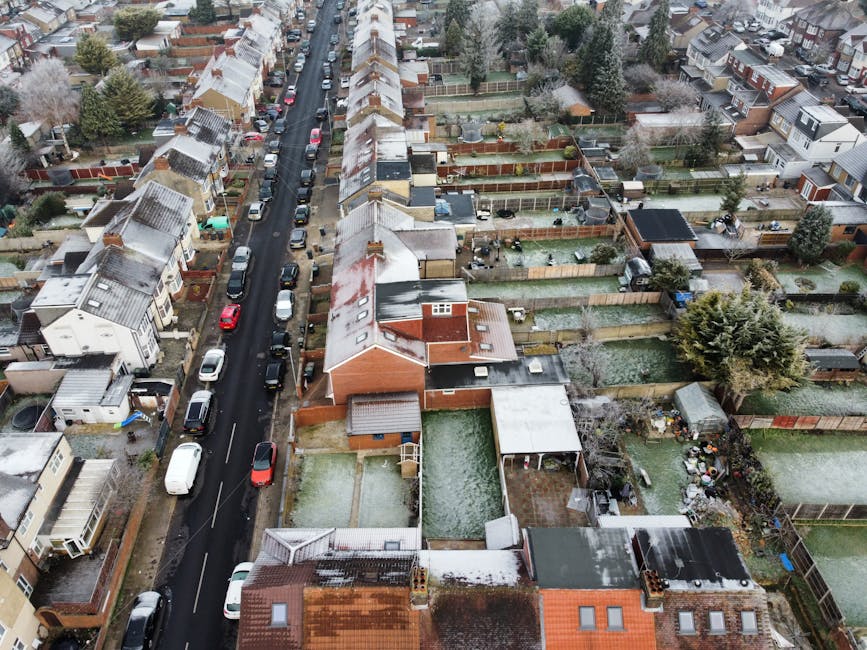
Picture a fairly typical London backyard: narrow access, a patch of long grass, ivy creeping across a fence, a few broken pots near the shed, and a compost corner that has long since stopped being compost and started being a mystery pile. Nothing dramatic, but enough to make the whole garden feel closed in.
The owner has been putting off the job for months. First it was "after the holidays," then "when the weather improves," then simply "not this weekend." By the time a clearance team arrives, there is little visible soil left near the back boundary. The first step is opening a path from the house to the shed, then cutting back the dense growth so the hidden structure of the garden can be seen again.
Once the brambles are down and waste is removed, the change is immediate. Light reaches the patio again. The shed door opens fully. The owner can finally see which fence panels need attention and which areas might work for planters later. It is not a full redesign, not yet, but it is a proper reset.
That is the quiet value of garden clearance. Not drama. Not perfection. Just a sense that the place belongs to you again.
Practical checklist
Use this checklist before booking or starting a clearance job:
- Take clear photos of the garden from multiple angles
- Note access points, side gates, and any tight corners
- Identify plants, items, or features you want to keep
- Check for obvious hazards such as broken glass or unstable debris
- Decide whether you need waste removal included
- Ask for a clear quote or estimate
- Confirm whether green waste, rubbish, and bulky items are all covered
- Ask how the provider handles recycling or disposal
- Check insurance and safety information
- Make sure you understand the timeline and what "finished" will look like
If you are booking through a service provider, it is sensible to review their terms before confirming. You can usually find that information on a terms and conditions page, and accessibility details on an accessibility statement page if you need them. Small things, but they help set expectations.
One more practical note: if the job is especially large or access is awkward, describe it plainly. "Quite overgrown" means very different things to different people. A quick photo and a candid explanation saves a lot of back-and-forth.
Conclusion
Garden clearance for overgrown backyards is one of those jobs that looks simple from a distance and then gets complicated the moment you start. That is exactly why a good service is so useful. It turns an overwhelming task into a clear sequence: assess, cut back, remove, tidy, and leave you with a space that feels usable again.
The best results come from honest planning, realistic expectations, and a provider who takes safety and waste handling seriously. Whether you need a full backyard reset or just enough clearance to get the next project moving, the right approach makes all the difference. And once the worst of the growth is gone, the garden can feel lighter almost immediately. A proper breath of fresh air, really.
Get a free quote today and see how much you can save.
Frequently Asked Questions
What is included in garden clearance for an overgrown backyard?
It usually includes cutting back dense growth, removing weeds, brambles, long grass, and collecting green waste. Some services also remove broken garden items, light rubbish, or debris, but that depends on the provider and the quote.
How do I know if my backyard needs professional clearance?
If the garden is too dense to mow safely, paths are blocked, access is limited, or the waste volume feels unmanageable, professional help is usually sensible. If you are hesitating because the job looks too big, that is often your answer.
Is garden clearance different from garden maintenance?
Yes. Clearance is usually a one-off or occasional service for heavy overgrowth and accumulated waste. Maintenance is the lighter, ongoing work that keeps the garden tidy after it has been cleared.
Can garden clearance teams remove waste as well?
Most can, and in many cases that is the main reason people book them. It is worth checking exactly what waste is included so there are no surprises on the day.
How long does it take to clear an overgrown backyard?
It depends on the size of the garden, how overgrown it is, and how easy it is to access. A small but very dense garden may take longer than a larger one with easier access. Photos usually help give a more accurate estimate.
What should I do before the team arrives?
Move personal items, mark plants or features you want to keep, and clear access if possible. If there are hazards such as broken glass or old metal, point them out before work begins.
Will garden clearance damage plants I want to keep?
It can, if those plants are not identified beforehand. The safest approach is to mark them clearly and talk through what should remain before the clearance starts.
Do I need planning permission for garden clearance?
Usually not for basic clearance work. However, if the job leads into larger structural changes, boundary work, or major landscaping, different rules may apply. It is always worth checking if the project is expanding.
How much does garden clearance usually cost?
Costs vary widely depending on the size of the garden, the level of overgrowth, access, and the amount of waste to remove. A clear quote is better than guessing, and detailed photos can help keep pricing fair and realistic.
What happens to the garden waste after clearance?
Responsible providers separate and dispose of it appropriately, and some materials may be recycled where possible. If sustainability matters to you, ask about the company's waste handling approach before booking.
Can a clearance service help if the garden has brambles and small trees?
Yes, often they can. Brambles, self-seeded saplings, and woody growth are common parts of overgrown garden work, though very large trees or complex root systems may need specialist handling.
What is the best time of year for garden clearance?
There is no single perfect time, but many people book in spring or early autumn when they want a reset before the next growth phase or after a season of neglect. In truth, the best time is often simply when the garden has become too much to manage comfortably.
If you are ready to make the space usable again, start with a clear quote and a provider who explains the process properly. A little clarity now can save a lot of hassle later, and that is usually worth more than the cheapest headline price. One good day of work can change the whole feel of a garden.